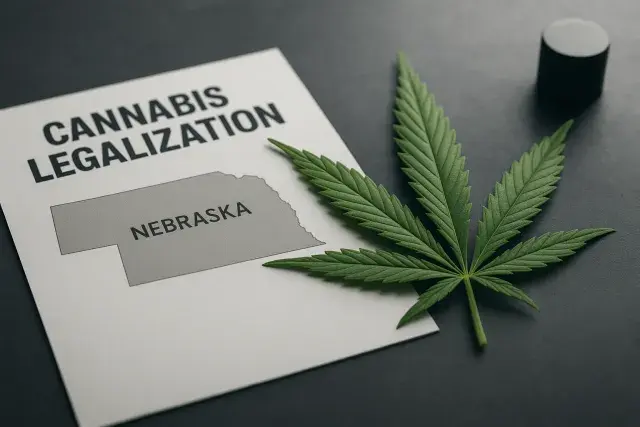
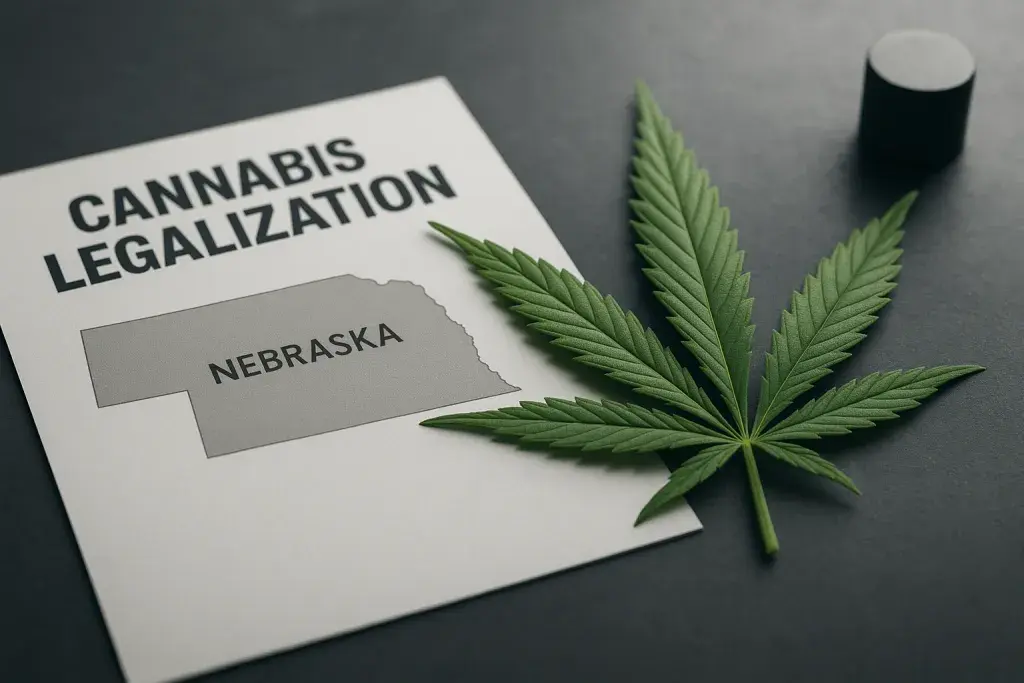
Nebraska's medical cannabis rollout is still finding its footing, but public sentiment is already moving. A new report from the University of Nebraska-Lincoln's Rural Drug Addiction Research Center shows support for legalizing cannabis for both medical and recreational use climbed to 47 percent this year, up from 44 percent in 2024. Support for medical-only legalization rose too, from 80 percent to 84 percent, roughly two years after voters approved medical marijuana at the ballot box by a 71-point margin.
What's striking here isn't just the opinion shift - it's the behavior underneath it. Fifteen percent of respondents said they bought marijuana legally in another state in 2026, up from 11 percent two years earlier, and Delta-8 or other hemp-derived THC product use rose from 8 percent to 10 percent. That's a meaningful signal for operators building out compliant retail infrastructure in-state: demand exists, and some of it is currently leaking across state lines to Colorado and Missouri. States further along in their adult-use rollouts have already had to solve for exactly this kind of consumer behavior, often by tightening point-of-sale systems, batch tracking and wholesale menus to keep compliant product moving efficiently. Mature markets have shown that the operators who invest early in reliable retail technology - the kind of cannabis POS for Oregon dispensaries that ties inventory, compliance logs and tax reporting into one system - tend to weather early-stage volatility better than those running on spreadsheets and gut instinct. cannabis POS for Oregon dispensaries
Research Assistant Professor Patrick Habecker said he was surprised by how many Nebraskans are willing to drive out of state for cannabis, given that recreational access already exists next door. That detail matters for Nebraska operators thinking about pricing and product mix once dispensaries are fully operational - if consumers are already comfortable transacting elsewhere, in-state retailers will need competitive wholesale pricing and dependable product availability to keep that spending local.
Regional Divide Complicates Statewide Rollout
The survey's geographic breakdown is where things get complicated for anyone planning site selection or zoning strategy. Support hit 54 percent in metro areas like Omaha, Lincoln and Grand Island, but dropped to 35 percent in micropolitan communities such as Kearney and North Platte, and 32 percent in rural counties. That's not a small gap. For operators and landlords weighing where to open storefronts, local political appetite will shape everything from municipal licensing cooperation to zoning approvals - a dispensary proposal that sails through an urban planning commission may face real friction in a smaller county board meeting.
Compliance Pressure Ahead as Hemp Rules Tighten
None of this growth is happening in a vacuum. A pending state law aimed at restricting hemp-derived THC products could reshape the product mix available to Nebraska consumers just as the medical cannabis industry gets off the ground. For operators, that means product lineups, lab testing protocols and packaging compliance may need to adjust on short notice. Habecker's team plans to keep tracking usage and opinion data as the medical market matures - a reminder that public support is necessary for legal cannabis retail to succeed, but it's operational discipline, consistent lab testing, and airtight compliance recordkeeping that actually keep a licensed business running once the doors open.
- Support for medical-and-recreational legalization: 47 percent (up from 44 percent in 2024)
- Support for medical-only legalization: 84 percent (up from 80 percent)
- Cross-border legal purchases: 15 percent of respondents (up from 11 percent)
- Metro support at 54 percent versus 32 percent in rural counties