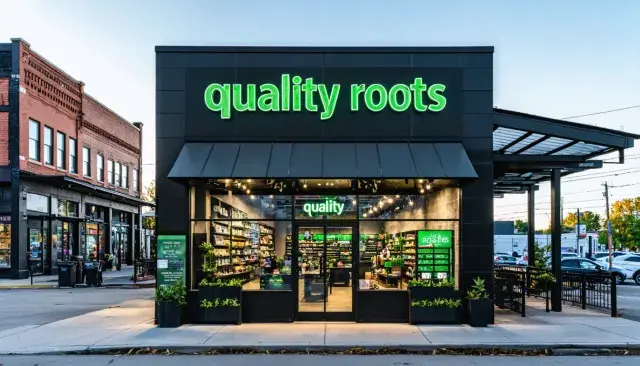
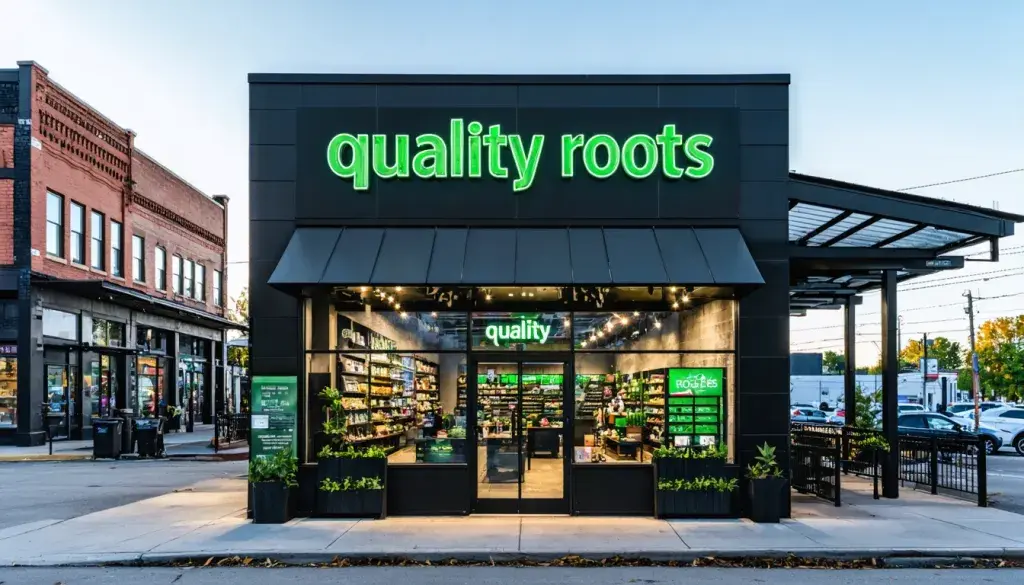
Marijuana retailer Quality Roots launched its inaugural location in Battle Creek, Michigan, during the spring of 2020, precisely when COVID-19 restrictions began reshaping daily life. This timely debut highlighted the cannabis industry's resilience, positioning it as an essential service amid lockdowns and underscoring its role in public health and economic recovery.
Pandemic Timing and Operational Challenges
Battle Creek's Quality Roots store opened amid Michigan's early pandemic surge, with Governor Gretchen Whitmer designating medical marijuana provisioning centers as essential businesses on March 24, 2020. Recreational sales, legalized statewide in 2018, followed suit, allowing stores like Quality Roots to operate with strict protocols including capacity limits, masking, and enhanced sanitation.
- Daily customer caps at 20% of store capacity to prevent crowding
- Mandatory six-foot distancing and plexiglass barriers at checkout
- Curbside pickup options to minimize in-store traffic
These measures enabled Quality Roots to serve a surging demand for cannabis products, often sought for stress relief and sleep aid during widespread anxiety.
Michigan's Evolving Cannabis Market
Michigan's cannabis sector has exploded since recreational legalization, generating over $3 billion in sales by 2023 and creating 45,000 jobs. Quality Roots entered this competitive landscape in Battle Creek, a city of about 52,000 near Kalamazoo, tapping into a region with strong medical marijuana roots dating back to 2008.
Unlike coastal markets like California, Michigan's industry emphasizes affordability and accessibility, with average prices 20-30% lower than national averages. Quality Roots differentiates through premium, locally sourced products, aligning with consumer shifts toward quality over quantity post-legalization.
Health, Safety, and Broader Implications
As a public health expert, I view Quality Roots' launch as emblematic of cannabis's dual role: a regulated alternative to opioids amid the overdose crisis, yet requiring vigilant oversight. During the pandemic, dispensary sales spiked 30-50% nationally for edibles and tinctures, preferred for their low-contact appeal and therapeutic potential in managing chronic pain and insomnia without respiratory risks tied to smoking.
- Cannabis flower sales dropped temporarily due to smoking concerns
- Edibles and vapes rose, comprising 40% of pandemic-era purchases
- Regulated stores prevented black market proliferation during supply chain disruptions
Looking ahead, expansions like Quality Roots signal sustained growth, potentially easing Michigan's $1.5 billion annual opioid costs while fostering wellness culture. However, implications include youth access prevention and impaired driving education to safeguard public safety.