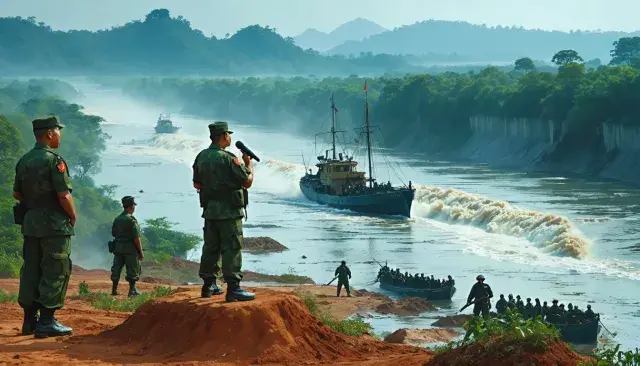
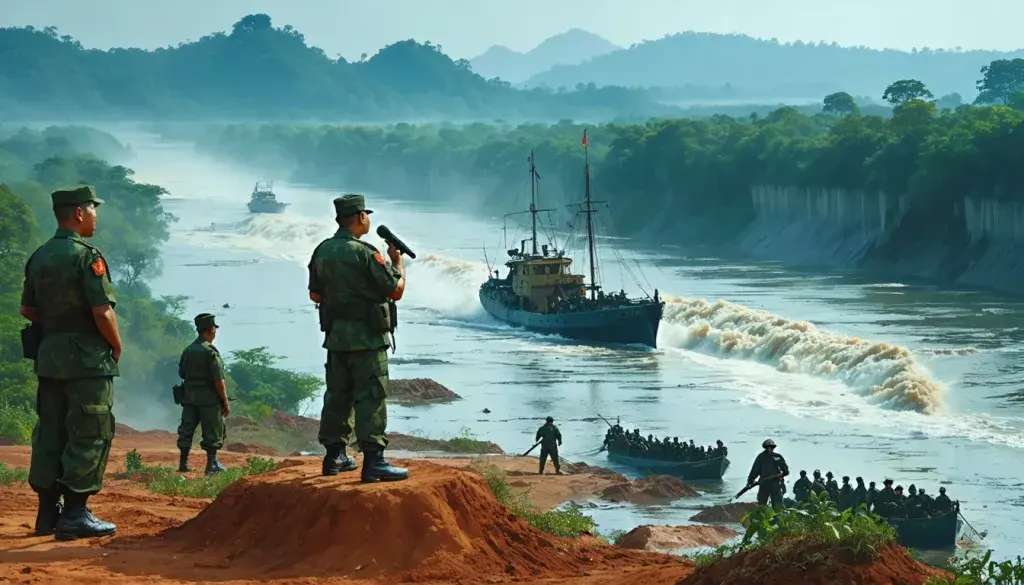
The National Unity Government (NUG) has pledged to collaborate with resistance allies to safeguard the Ayeyarwady River and preserve its vital flow, spokesperson U Nay Phone Latt announced on January 6. This firm stance counters the military junta's push, backed by China, to revive the controversial Myitsone Dam project, highlighting escalating tensions over Myanmar's natural resources amid the ongoing civil conflict.
NUG's Unyielding Position on Illegitimate Deals
U Nay Phone Latt emphasized in a message to Myanmar's people and the international community that the junta, having seized power illegally, lacks legitimacy to sell natural resources or sign treaties. He declared any agreements invalid, with losses falling solely on the junta and its investors.
- Project located in Kachin State's Myitsone area on the Ayeyarwady's upper reaches.
- Junta informed local communities in December of resumption plans.
- NUG frames revival as junta sacrificing national interests to retain power.
Historical Context of the Myitsone Dam Standoff
Suspended in 2011 under President U Thein Sein's administration due to widespread protests over environmental risks, the Myitsone Dam project—primarily funded by China—lay dormant until the 2021 coup. Now, the junta and Beijing are accelerating efforts to restart it, ignoring public opposition and the river's ecological centrality to Myanmar's survival.
The Ayeyarwady, Myanmar's longest river, sustains over 40 million people through irrigation, fisheries, and transport, forming the backbone of the delta's rice production that feeds the nation and supports exports.
Catastrophic Risks to Ecology and Livelihoods
Reviving the dam poses dire threats: a burst could instantly flood Kachin towns, while downstream effects include soil degradation in the Ayeyarwady Region, disrupted river flow, and seawater intrusion salinizing farmlands. Experts warn this could devastate agriculture, mirroring patterns seen in other Mekong sub-basin dams where sediment trapping has slashed fish catches by up to 70% and eroded delta soils.
- Agricultural sector collapse: Delta farms produce 60% of Myanmar's rice; salinization risks famine-like conditions for millions.
- Biodiversity loss: River hosts endangered species, with flow alterations threatening migratory patterns.
- Human safety: Immediate flood risks in Kachin, long-term displacement for downstream communities.
Broader Implications for Myanmar's Future
The NUG's vow underscores a resistance strategy linking environmental defense to political legitimacy, rallying domestic and global support against junta resource grabs. As climate change intensifies delta vulnerabilities—rising seas already encroaching—protecting the Ayeyarwady becomes a safety imperative, tying into regional trends of hydropower disputes that undermine food security and ethnic stability in Southeast Asia.