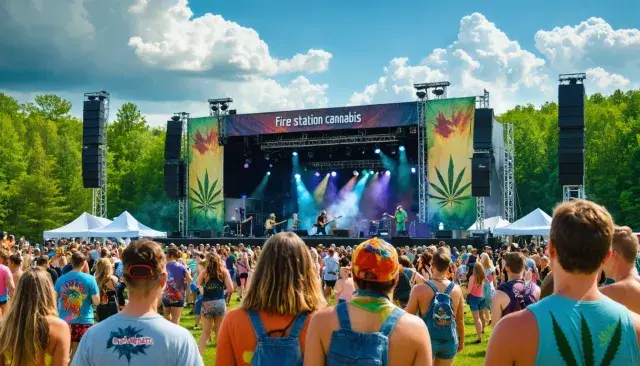
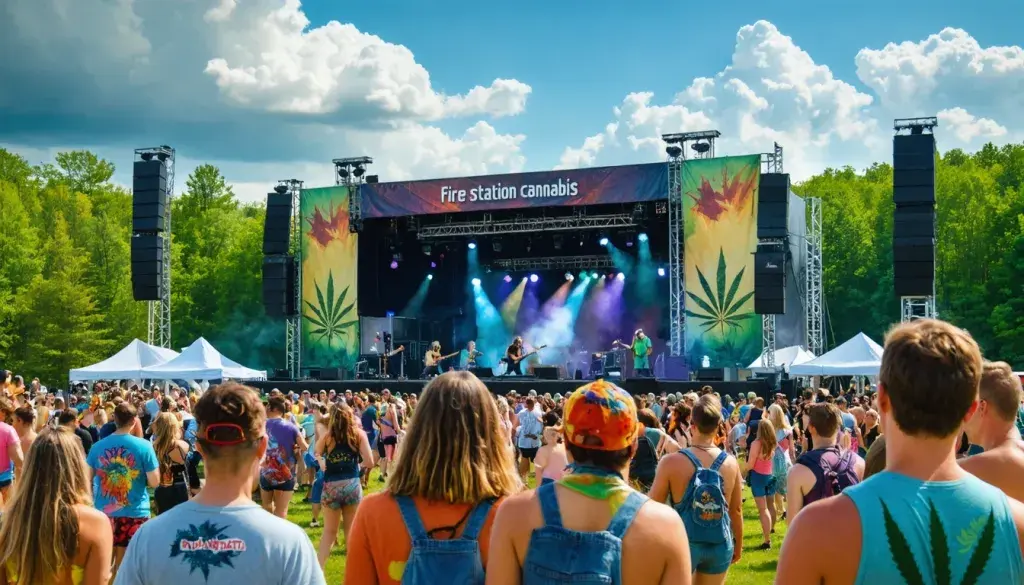
Fire Station Cannabis Company has launched Camp Cannabis, billed as Upper Michigan's biggest cannabis consumption event, at Tourist Park in Marquette. The weekend festival draws over 40 entertainers across multiple stages, more than a dozen educational sessions, and over 60 vendors, marking a first for the region. Organizers aim to elevate local entertainment while promoting the growing cannabis culture in a rural setting.
Event Draws Crowds with Unprecedented Scale
The festival kicked off Friday and wraps up Saturday, with day passes still available at the door. Fire Station Cannabis, a local dispensary, positions Camp Cannabis as a trailblazing gathering where attendees can consume products openly. Logan Stauber, the company's CEO, emphasized its novelty: “This is the first event of its kind. We brought huge acts into the area.” High costs underscore the commitment to professional production, signaling potential for future large-scale events if attendance supports it.
Cannabis Legalization Fuels Regional Events
Michigan's 2018 voter approval of recreational marijuana has spurred a licensed market now serving hundreds of thousands. Dispensaries like Fire Station have expanded beyond retail into experiential events, blending consumption with education and entertainment. Upper Michigan, with its sparse population and distance from urban centers, rarely hosts major acts, making this festival a cultural bridge that could boost tourism and local economies through vendor sales and visitor spending.
Educational Focus Amid Consumption
Beyond music and markets, the lineup includes over a dozen sessions on cannabis topics, reflecting industry efforts to inform users responsibly. Public consumption events test boundaries of post-legalization norms, prioritizing designated areas to align with state regulations. As such gatherings proliferate nationwide, they normalize cannabis in social settings while highlighting needs for clear safety protocols around public use.
Outlook for Upper Michigan's Cannabis Scene
Stauber urged attendance to sustain similar initiatives: “If you would like to see more events like this, we’re encouraging everybody to come out.” Success here could inspire a circuit of festivals, drawing national talent to the Upper Peninsula and integrating cannabis into regional lifestyle. This evolution mirrors broader shifts where legalized markets foster community-oriented programming, provided logistical and regulatory hurdles are navigated effectively.