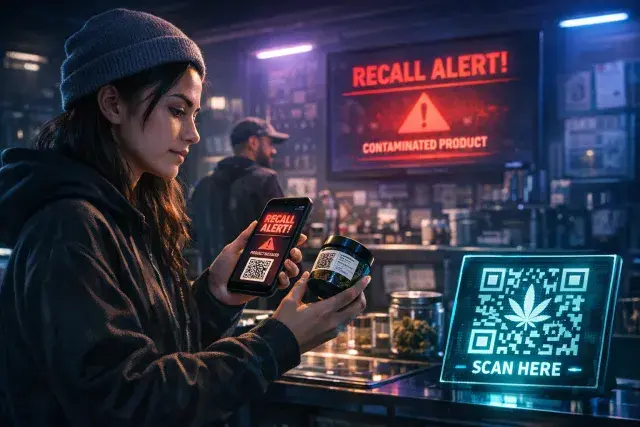
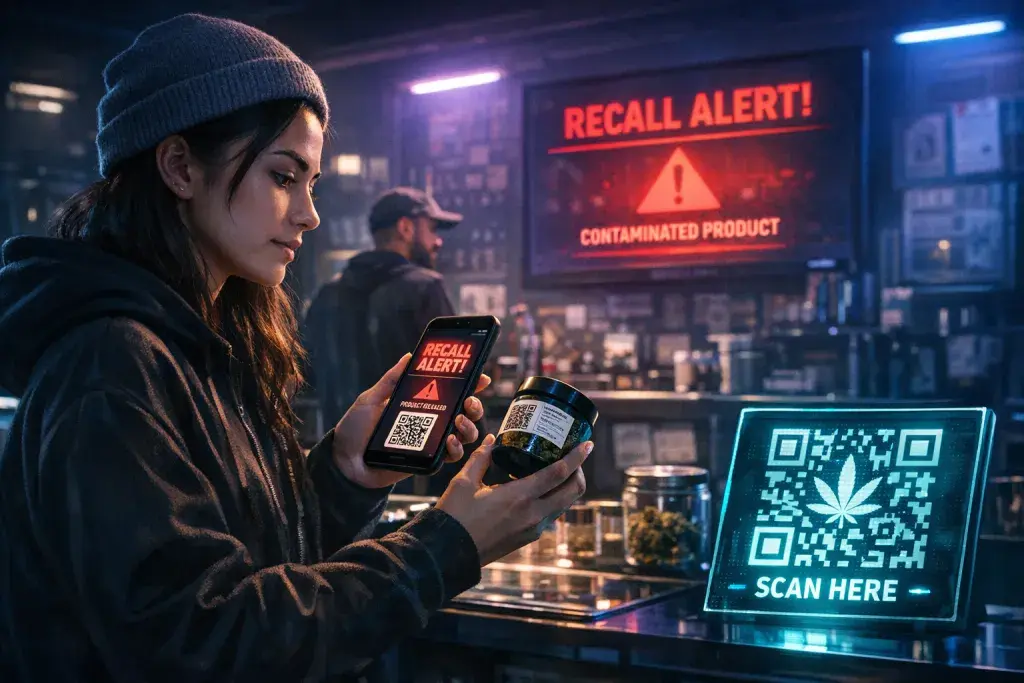
California cannabis buyers can now scan a product's QR code to check for recalls in real time. Metrc, the state's track-and-trace provider, rolled out this update to its Retail ID system this week, working directly with the Department of Cannabis Control. The move—live since the November 2024 launch of Retail ID—tags about 20% of weekly product volume and aims to sharpen public safety in a market long plagued by illicit alternatives.
From QR Codes to Instant Safety Checks
Retail ID started as a simple QR tool: scan a package, confirm it's from the regulated market, pull up lab tests. That alone cut through the fog of underground sales, where potency claims often outpace reality. Now, with recall notifications baked in, consumers get a direct line to hazards—pesticides, contaminants, failed tests—without waiting for news alerts or retailer notices.
DCC Director Nicole Elliott calls it a transparency benchmark. "This is more than a public health safeguard," she said. Metrc CEO Michael Johnson echoes that, framing it as consumer empowerment: instant access to recalls, results, origins. In practice, though, the real test comes downstream—will scanners become table stakes on shelves?
Supply Chain Wins for Brands and Sellers
California's "testing-in-final-form" rule had slowed adoption; brands couldn't label until labs signed off. Metrc fixed that. Now, licensees slap on Retail ID post-testing, linking results seamlessly. Distributors like Nabis and brands like Embarc have jumped in, streamlining inventory while feeding data back to buyers.
Will Brophy, Nabis COO, puts it plainly: QR codes build shopper confidence. For retailers, it's compliance armor—proof of legitimacy amid a flood of fakes. The system doesn't just track; it verifies, from seed to sale, in a state where legal sales hit billions yearly but black-market share lingers around half.
Bigger Stakes in Cannabis Regulation
This isn't isolated tech. Regulated markets like California's grapple with trust gaps—recalls hit dozens of products yearly, from moldy flower to THC-laced vapes. Retail ID plugs that hole, much like food industry's UPC barcodes did decades back. Early uptake at 20% of volume suggests momentum; if it scales, expect copycats in other states.
Risks remain. Scanners demand smartphone access, not universal. And while Metrc pushes compliance, enforcement still falls to DCC. What's striking: in a post-legalization era, tools like this quietly redefine consumer protection—less about prohibition, more about verifiable safety. For now, California leads.