
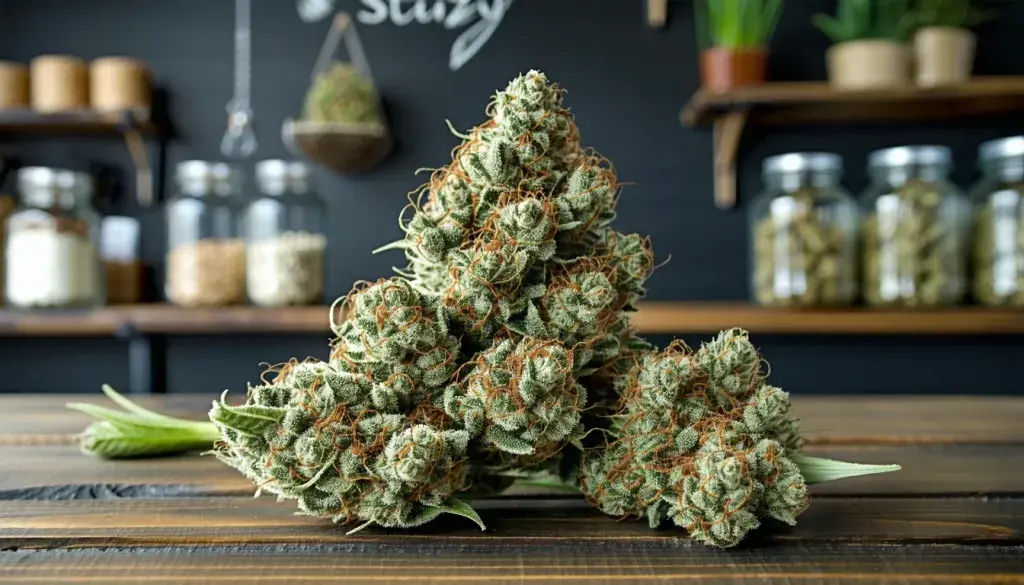
A California-based packaging supplier has taken one of the state's most recognized cannabis brands to federal court, claiming Stiiizy Inc. failed to pay roughly $7 million owed under two separate contracts. All Packaging Co. LLC filed the suit in California federal court, alleging breach of those agreements - a dispute that, whatever its eventual outcome, puts a sharp light on a persistent stress point in the cannabis supply chain: the fragile payment relationships between licensed brands and the vendors who keep their products shelf-ready and compliant.
What's at Stake Beyond the Dollar Amount
Seven million dollars is not a rounding error. For a packaging supplier working in the cannabis space, that kind of outstanding obligation can represent months of production runs, raw material costs, and dedicated manufacturing capacity committed to a single account. Cannabis packaging is not generic; compliant packaging in California must meet specific state requirements - child-resistant closures, opaque materials in many cases, strict labeling fields for potency, net weight, license numbers, and universal symbol placement. Suppliers often build custom tooling and inventory specifically for a client's SKUs. Walking away from that relationship mid-contract, or simply not paying, leaves a vendor holding significant sunk costs with few easy remedies.
The thing is, cannabis suppliers operate in a space where the standard commercial protections available to other industries become complicated. Banking constraints across the cannabis sector - a direct result of federal scheduling - mean that payment disputes can't always be resolved through the kind of clean financial instruments that non-cannabis B2B vendors take for granted. Wire transfers, net-30 terms enforced through commercial credit, factoring receivables - all of these carry additional friction in cannabis. A vendor owed millions may have limited leverage until litigation is the only remaining tool.
The Supply Chain Pressure Behind the Headlines
Stiiizy is among California's best-known vertically integrated cannabis companies, with a retail footprint and a branded product line that spans vape hardware, flower, and concentrates. Vertical integration - owning or controlling production, brand, and retail - is often cited as a path to margin efficiency in cannabis. In practice, though, it also means a brand like Stiiizy depends on a web of external suppliers for the components that don't sit within its own licensed operations. Packaging is one of those. And compliant, branded packaging is not something you swap out overnight; lead times, compliance review, and regulatory approval of label artwork make supplier relationships stickier than they appear from the outside.
When a dispute of this scale surfaces publicly, it signals something worth watching across the broader industry: even well-capitalized, high-profile cannabis brands are not immune to the cash flow pressures that have characterized California's legal market since adult-use launched. Excise tax obligations, local business taxes, distribution costs, and the persistent drag of competing with an unlicensed market all compress margins at every level of the supply chain. Suppliers - whether they provide packaging, extraction inputs, or point-of-sale consumables - absorb that pressure downstream, often without the brand visibility or investor backing that their clients carry.
Why Vendors Are Watching This Case
For B2B vendors supplying the cannabis industry, this lawsuit is a useful reminder that contract discipline matters as much here as anywhere - arguably more. Cannabis supply agreements should account for the industry's specific payment risks: milestone-based payment schedules, personal guarantees where appropriate, and clear remedies language that holds up under California commercial law. The fact that cannabis remains federally controlled adds complexity to any federal court proceeding, though California contract law governs ordinary commercial disputes between parties regardless of the product involved.
Dispensary operators and brand managers who rely on external suppliers for compliant packaging, hardware, or branded materials would do well to look at this case from both sides. If you're a brand, unpaid vendor relationships create reputational and operational risk - a supplier who stops shipping because invoices aren't paid can interrupt product availability faster than almost any other supply chain failure. If you're a vendor, this case illustrates both the risk of deep concentration in a single cannabis client and the value of knowing your legal options before a dispute reaches eight figures in outstanding receivables.
The litigation is still in its early stages. No findings have been made. But the filing alone is the kind of signal that travels fast in a business community where everyone knows everyone, contracts are often underdocumented, and the difference between a trusted supplier relationship and a $7 million lawsuit can sometimes come down to what was written - or not written - before the first pallet shipped.